
Believe it or not, one of the biggest issues I find in running a small business is the scammers/upsellers on every product you use. I don’t mean the normal credit card thief who finds your site and tries to buy Meta glasses to resell on eBay (we fight those guys every day). It’s the reputable businesses that add upsells to their offers and make it seem that it’s a part of their basic offer, and that you need to spend X to get Y.
You sign up to get work done. Then the sales calls become another job.
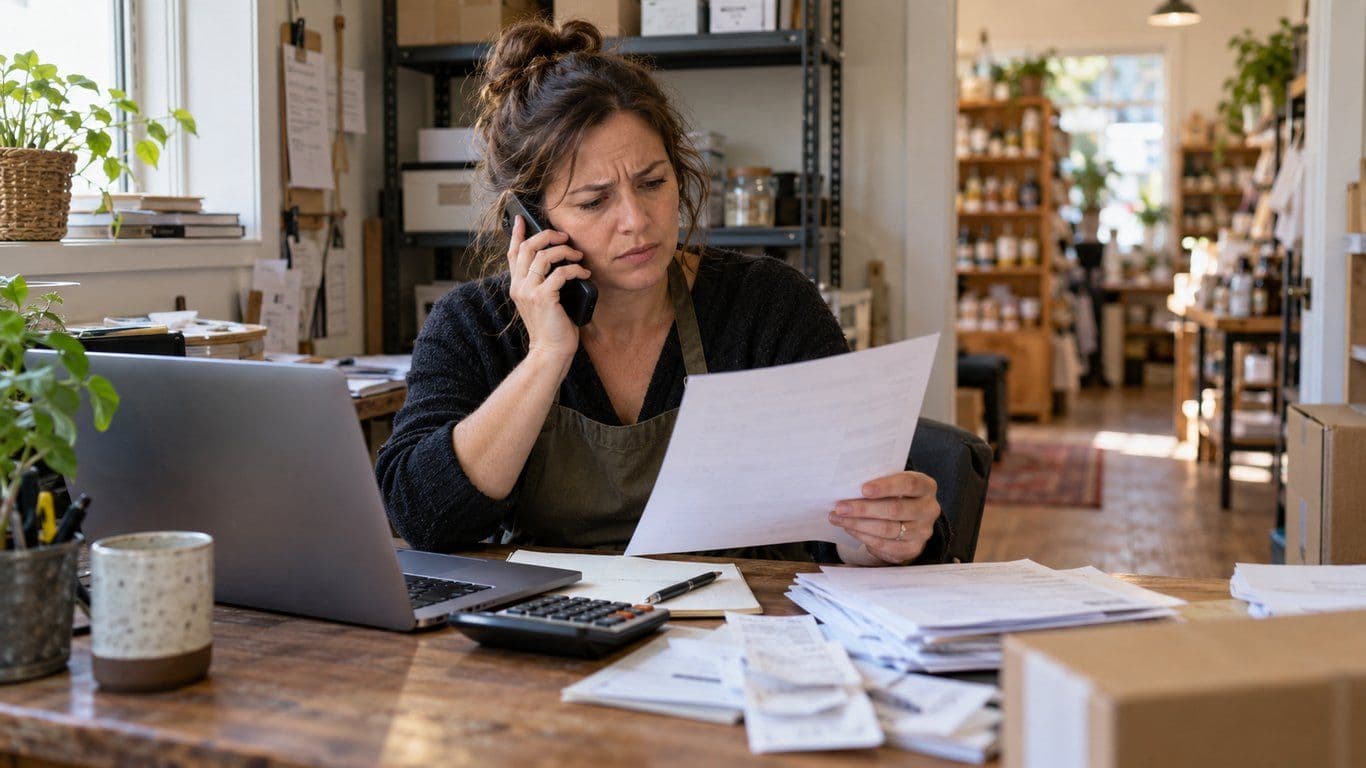
Small businesses already have enough to manage. Customers, employees, inventory, websites, invoices. Now add figuring out whether the person on the phone is selling something optional or trying to steal your money. Either way, it takes time away from running the business.

Examples
BBB
Yes, I said it, the Better Business Bureau. Have you ever placed a profile on the BBB? After I created the free profile, I got a call from a local BBB rep offering a paid add-on. The person I spoke to presented it as if it were a core part of creating the profile.
This could have just been my experience with that person, but the conversation muddied the waters and made me think the payment was part of the profile creation. I had my guard down. I was thinking, “It’s the Better Business Bureau. No way do I need to be cautious with those guys.”
I’m sure they post information about what’s free and what costs extra in plenty of places. But what happens when you haven’t seen it, and the person on the phone uses that confusion to their advantage? That’s how the conversation felt to me.
After I had committed $650, I Googled it and realized it was an optional upsell. I was able to stop the payment. My issue wasn’t that the BBB offered a paid service; it was that I walked away from that conversation without understanding that it was optional.
That distinction matters. What is free? What costs extra? What happens if I say no? Those answers should be clear before anyone asks for payment.
Yelp
The moment you place your business on Yelp, you begin getting calls from people who say they are with Yelp and that you need to purchase other products for your Yelp profile to work at its best. After the BBB fiasco, I knew better, but had to deal with phone calls daily for a week or so.
Even when you don’t spend the money, you spend the time. Answering, listening, explaining, declining. Then doing it again tomorrow. A sales pitch can be legitimate and still become a distraction you never asked for.
Trademark Office (USPTO)
OK, this one is not on the Trademark Office; they have been fine. It’s the scammers that come right after you put in an application. You get hit with spam after spam from impostors acting as lawyers with the Trademark Office, fishing for information. The correspondence comes via email and phone calls, and they all claim to be with the agency. We have gotten around 10 a week since we put in an application a few months ago.
This is where slowing down matters. A familiar name on a screen does not prove who is contacting you. Before sharing information or paying anything, verify the request through contact information you find independently.
Robocalls (random)
This one is random, but something else we have had to deal with. Our office has gotten several random robocalls claiming to be with Google, etc. One way to help screen them is to incorporate a menu on your phone lines that requires a user to select an option before being able to ring the phones. That adds a screening step, but it is not a guarantee that every robocall will be stopped.
Also, make sure anyone answering your business phone knows who can approve purchases. A helpful employee should not have to guess whether a caller is a vendor, a government office, or another sales rep. Give your team permission to pause, take a message, and check with you. A little consistency can save confusion down the road.
With exception to the robocalls, none of the above companies or organizations did anything wrong. The issue is the time you must put in to identify your needs, and deal with the aftermath of calls and upsells you never asked for.
Before you spend
Ask for the offer in writing. Ask whether the charge is required or optional. Ask if it is a one-time payment or a recurring fee. Then check what you already signed up for.
If the explanation is confusing, take a break from the call. You can review an offer without someone talking you through the payment screen. Decide what your business needs before deciding whether the offer is worth buying.
The question is simple: What does this do for my business? If you cannot get a clear answer, keep your money until you can.
I could go on and on about the extra effort small businesses have to take to protect their information and not spend on unnecessary items. If you are starting a small business or are struggling with identifying and avoiding scams and upsells, send us a message at info@frankdatainsights.com. We will assist you with identifying what you need to grow your business and how to avoid wasting time and money managing work that does not drive revenue.
Your time has a cost, too. Spend it building your business.
About the Author
Related Articles


What we built this week - with Ai p4
Is your business being served by Ai agents?

Can ChatGPT Find Your Business? We Built a Free Tool to Find Out.
We built the Frank Business Diagnostic, a free scanner that looks at your business from the perspective of AI and search technology and identifies areas that may be limiting your visibility.